
- All
- Product Name
- Product Keyword
- Product Model
- Product Summary
- Product Description
- Multi Field Search
Languages
Views: 88 Author: Site Editor Publish Time: 2025-07-25 Origin: Site


With car wash prices steadily increasing, many vehicle owners are turning to DIY car washing to save money. While washing your car yourself can be cost-effective and convenient, doing it improperly can cause significant damage to your vehicle's paint and finish. In this comprehensive guide, we'll walk you through five crucial tips to ensure you clean your car effectively while protecting its appearance and value.
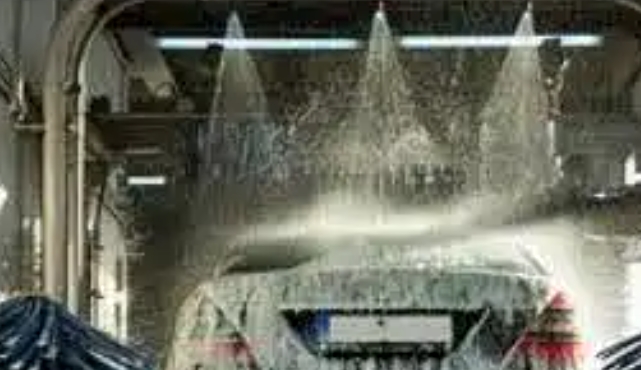
Why it matters: While automatic car washes may seem convenient (especially with gas station promotions offering free washes with fuel purchases), they can be particularly harmful to new cars.
After observing numerous automatic car washes, I've noticed several concerning issues:
The rotating bristles often accumulate small stones and debris that can scratch your paint
Many systems have poor cleaning capabilities, leaving your car only partially clean
The harsh chemicals used can strip protective wax coatings
Better alternative: For new cars (under 3 years old), hand washing is always preferable. If you must use an automatic wash, opt for touchless systems that use high-pressure water jets instead of physical contact with brushes.
The problem: It's tempting to grab whatever cleaning solution is handy—many car owners use laundry detergent mixed with water as a quick alternative to proper car wash soap. This is one of the worst things you can do for your vehicle's finish.
Laundry detergents are alkaline-based and designed to remove tough stains from fabrics. When used on car paint:
The alkaline formula can corrode and dull the paint surface over time
They strip away protective wax layers much faster than car-specific cleaners
They're too harsh for clear coats, leading to premature oxidation
Proper solution: Invest in a pH-balanced car wash shampoo specifically formulated for automotive finishes. These cleaners are designed to lift dirt without damaging protective coatings.
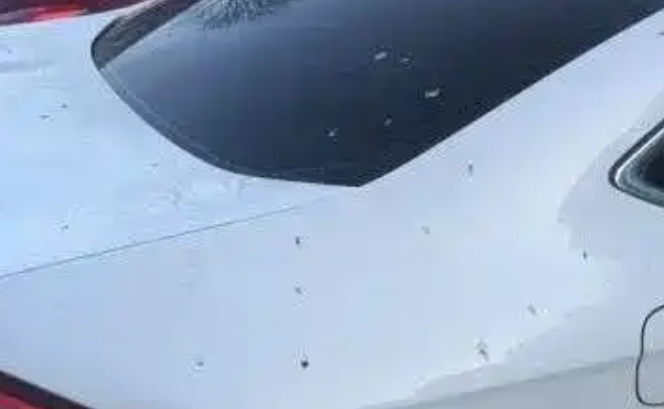
The danger: Bird droppings are more than just unsightly—they can permanently damage your paint if handled incorrectly. I learned this the hard way when I tried wiping off fresh bird droppings with a wet tissue, only to discover I'd scratched the paint.
Why bird droppings are so damaging:
They contain undigested food particles that are often hard and abrasive
The acidic nature can etch into the clear coat if left too long
Scrubbing spreads the abrasive particles across the paint surface
Safe removal method: Use specialized automotive clay products (clay bars, clay blocks, or clay towels) designed for contaminant removal. These products safely lift the droppings without grinding the particles into your paint. For fresh droppings, soak the area first with water or a quick detailer spray to soften the deposit.
The risk: It might seem economical to repurpose old t-shirts or towels for drying your car, but this common practice can cause significant damage to your vehicle's finish.
Problems with using regular fabrics:
Buttons, zippers, or seams can accidentally scratch the paint
Pockets or thick seams create uneven pressure points
Ordinary fabrics leave lint and fibers on the surface
They don't absorb water effectively, leading to streaks and water spots
Professional solution: Invest in high-quality microfiber drying towels specifically designed for automotive use. These towels:
Are extremely absorbent (can hold several times their weight in water)
Have a plush, scratch-free surface
Leave no lint or fibers behind
Often feature a waffle weave that helps lift water off the surface
The mistake: Many DIY car washers use just one bucket for both washing and rinsing their wash mitt. This seems efficient but actually grinds dirt particles back into your paint with each pass.
How the two-bucket system works:
Bucket #1: Contains your car wash solution mixed with water
Bucket #2: Holds clean rinse water
After washing a section of the car with your mitt from Bucket #1, rinse it thoroughly in Bucket #2 before reloading with fresh soap solution. This simple step:
Removes trapped dirt particles from your wash mitt
Prevents scratching from dirt transfer
Maintains cleaner wash solution throughout the process
For even better protection, consider adding grit guards to the bottom of both buckets. These plastic grids help trap dirt particles at the bottom, keeping them away from your wash mitt.
Washing your car at home can save you significant money over time while allowing you to care for your vehicle properly. By following these five essential tips—avoiding automatic washes for new cars, using proper cleaners, carefully removing contaminants, selecting the right drying tools, and implementing the two-bucket method—you'll maintain your car's appearance and protect its resale value.
Remember that proper car washing is about more than just appearance. Regular, careful cleaning:
Prevents long-term damage from environmental contaminants
Preserves protective coatings and waxes
Makes subsequent washes easier by preventing buildup
Helps you spot potential problems (chips, rust spots) early
With the right techniques and products, your DIY car washes can actually be better than many professional services while costing just a fraction of the price. Your car's finish will thank you for the extra care!


