
- All
- Product Name
- Product Keyword
- Product Model
- Product Summary
- Product Description
- Multi Field Search
Languages
Views: 122 Author: Site Editor Publish Time: 2025-07-22 Origin: Site


In today's environmentally conscious world, waterless car washing has emerged as an innovative solution for vehicle maintenance. This revolutionary approach eliminates the need for traditional water-intensive methods while delivering exceptional cleaning results. Originally developed to comply with strict environmental regulations in Europe and America, waterless washing has gained global popularity among car enthusiasts who value both environmental responsibility and paint protection.
Unlike conventional car washing that can use hundreds of liters of water per wash, waterless methods rely on specialized cleaning agents and ultra-fine fiber towels to lift and remove dirt without a single drop of rinse water. While particularly valuable in areas with water restrictions or poor drainage (like underground garages or exhibition halls), this technique offers benefits for all car owners looking to maintain their vehicle's appearance between traditional washes.
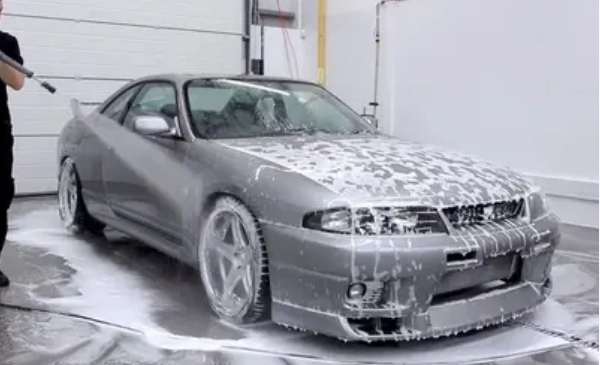
Traditional car washing can waste between 40-140 gallons (150-530 liters) of water per wash, much of which carries pollutants into storm drains. Waterless methods eliminate this waste entirely, making them:
Ideal for drought-prone areas
Perfect for locations without proper drainage
Compliant with water restriction policies
When performed correctly, waterless washing can actually be gentler on your vehicle's paint:
Prevents long-term dirt adhesion to factory paint
Reduces swirl marks caused by improper washing techniques
Maintains protective wax layers better than traditional washing
Waterless washing offers practical benefits that fit modern lifestyles:
Can be performed anywhere - no hose or water source needed
Takes less time than traditional washing (about 20-30 minutes)
Perfect for quick touch-ups between full washes
Ideal for apartment dwellers or those without driveway access
The effectiveness of waterless car washing relies on specially formulated cleaning agents that perform three critical functions:
High-quality waterless wash solutions contain lubricating polymers that:
Create a slippery surface that allows dirt to slide off
Prevent abrasive particles from scratching the paint during wiping
Reduce the need for repeated wiping motions
The cleaning agents work by:
Breaking the surface tension that holds dirt to the paint
Surrounding and encapsulating dirt particles
Lifting contaminants away from the clear coat
Unlike some traditional soaps, premium waterless wash products are:
pH neutral (won't damage paint or wax)
Free from harsh solvents, alcohol, or formaldehyde
Formulated to leave no residue after wiping
Note: Waterless wash solutions have limited ability to break down heavy oil or grease compared to traditional soaps, making them best suited for light to moderate dirt.
Premium waterless wash concentrate (we recommend Paint Rapid Concentration Cleaner)
4-6 high-quality microfiber towels (minimum 300 GSM weight)
Spray bottle (if using concentrate)
Optional: Detailing brushes for crevices
Work on one section at a time (about 2'x2' area). Spray cleaner generously onto the surface until droplets begin to run slightly. Allow to dwell for 30-60 seconds to loosen dirt.
Fold your microfiber towel into quarters to create 8 clean sides. Lightly mist one side with cleaner. Using light pressure, wipe in straight lines (never circles) following the contours of the vehicle. After each pass, flip to a clean side.
Use a fresh, dry microfiber to gently buff the area to a streak-free shine. This removes any residual cleaner and enhances gloss.
Continue this process around the vehicle, working from top to bottom. Suggested order: Windows → upper body panels → lower body panels → bumpers/wheels last.
For stubborn contaminants (bird droppings, tree sap):
Apply extra cleaner to the spot
Place a damp microfiber over the area for 2-3 minutes
Gently wipe away - never scrub aggressively
For heavily soiled vehicles:
If the car has thick mud or excessive dirt, consider a traditional wash first. Waterless washing works best on light to moderate dirt.
Use multiple towels (at least 4-6 for a full-size car)
Change towel sides frequently - each section should use a clean surface
Wash microfiber towels separately from other laundry using mild detergent
Work in shade to prevent quick drying
Avoid windy conditions that may blow dust onto wet surfaces
For extremely dirty cars, pre-rinse heavily soiled areas with a damp towel
For best paint protection: 2 waterless washes per week
Spot clean bird droppings, bugs, or sap immediately
Combine with monthly traditional wash for deep cleaning
Not all waterless wash solutions are created equal. Avoid products that:
Leave oily residues
Don't provide sufficient lubrication
Contain harsh chemicals
Never:
Wipe in circular motions (creates swirl marks)
Use excessive pressure
Continue using a dirty towel surface
Always allow the cleaner to dwell for at least 30 seconds before wiping. This gives the solution time to break down dirt.
When performed correctly with quality products, waterless washing is completely safe and may actually be gentler than traditional methods. The key is using ample lubricant (cleaner) and fresh towel surfaces.
Waterless washing works best on light to moderately dirty vehicles. If your car has thick mud or heavy dirt accumulation, it's better to do a traditional rinse first or visit a professional.
For optimal paint maintenance, we recommend 2 waterless washes per week, with immediate spot cleaning of contaminants like bird droppings or bugs.
While DIY recipes exist, we strongly recommend commercial formulations. Professional products are precisely engineered with the right balance of lubricants, cleaning agents, and protectants that are difficult to replicate at home.
Waterless car washing represents a significant advancement in vehicle maintenance - combining environmental responsibility with exceptional cleaning performance. By adopting this technique, you'll not only conserve water but also protect your investment by maintaining your vehicle's appearance with minimal risk of swirl marks or paint damage.
While traditional washing still has its place for heavily soiled vehicles, incorporating waterless methods into your regular maintenance routine will keep your car looking showroom-fresh while reducing your environmental impact. With the right products and proper technique, you might find that waterless washing becomes your preferred method for keeping your vehicle in pristine condition.
Ready to try waterless washing? Start with a high-quality product like Paint Rapid Concentration Cleaner, gather your microfiber towels, and experience the convenience and effectiveness of this modern approach to car care.


