
- All
- Product Name
- Product Keyword
- Product Model
- Product Summary
- Product Description
- Multi Field Search
Languages
Views: 1653 Author: Site Editor Publish Time: 2025-12-03 Origin: Site


Content Menu
● Clay Bar vs Polishing: When to Use Each for the Best Paint Finish
● What a Clay Bar Does (and Why Washing Alone Is Not Enough)
>> Signs You Need to Use a Clay Bar
>> Important:
>> Recommended Brilliachem Products
● What Polishing Does: Correcting Paint Defects
● When Your Car Needs Polishing
>> Recommended Brilliachem Products
● Clay Bar vs Polishing: Clear Differences
● Should You Clay or Polish First? The Correct Order
>> Always Clay Before Polishing
>> Correct Professional Workflow
● When You Should Only Clay (No Polishing Needed)
● When You Should Only Polish (No Claying Needed)
● Common Mistakes Beginners Must Avoid
>> Mistake 1 — Polishing Without Claying First
>> Mistake 2 — Using a Clay Bar Without Lubricant
>> Mistake 3 — Claying Too Often
>> Mistake 4 — Polishing Too Frequently
● Final Recommendation from Professionals
Car owners often confuse claying and polishing, but the two processes are completely different and serve different purposes in paint care. Using one when you really need the other can lead to unnecessary paint damage, swirl marks, or wasted effort.
This guide breaks down the science behind both, explains exactly when to use each, and gives you a professional workflow based on decades of detailing experience — plus factory-direct solutions from Brilliachem, China’s leading clay bar & car care manufacturer.
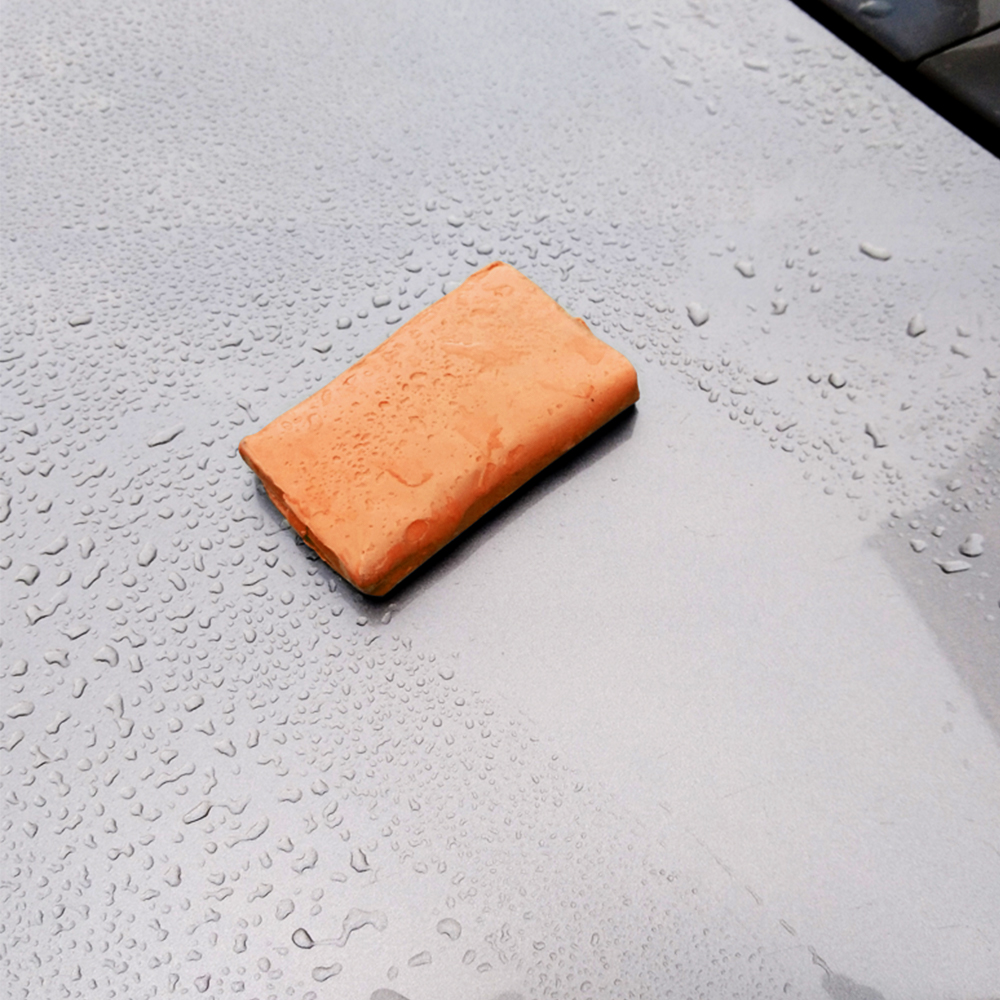
A clay bar removes bonded contaminants that washing cannot eliminate.
These include:
Industrial fallout
Brake dust
Rail dust
Overspray
Tree sap mist
Embedded dirt
Paint feels rough after washing
You hear a “sandpaper” sound when wiping
You plan to wax, polish or ceramic coat your car
Water no longer beads properly
You see tiny brown or orange specks in the clear coat
Claying does not remove scratches, swirls, or oxidation. It only removes contamination.
Brilliachem 100–200g Clay Bar Kit (blue/yellow/red grades)
Brilliachem Premium Clay Lube Spray(pH-balanced, streak-free)
Brilliachem Clay Mitt & Clay Towel for faster detailing
All available for global OEM/ODM with custom logo & packaging.
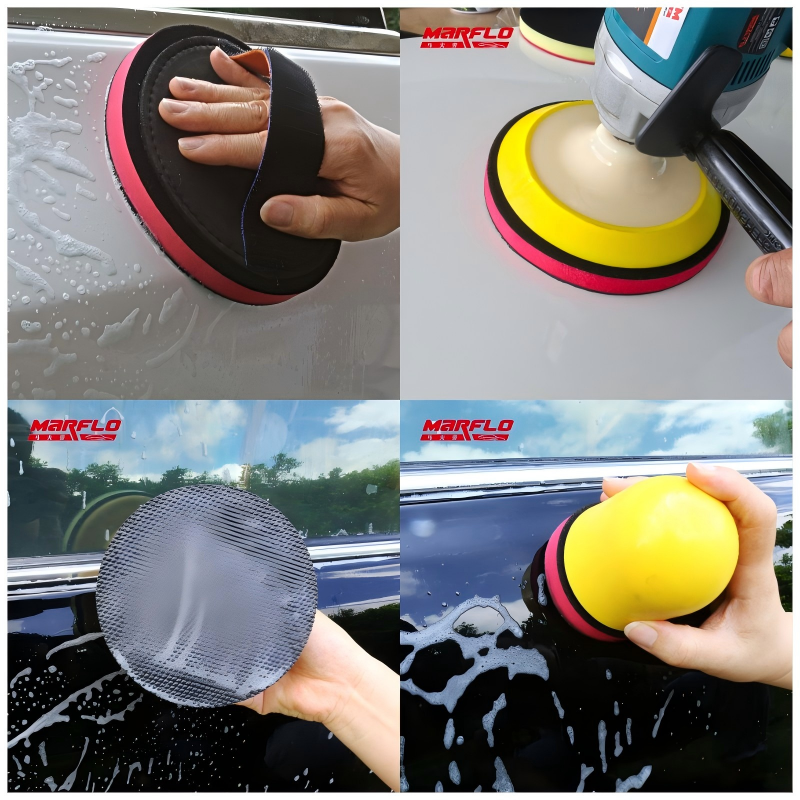
Polishing is a paint correction process that removes a micro-layer of clear coat to eliminate:
Light scratches
Swirl marks
Water spots
Oxidation
Holograms
Micro-marring
Visible swirl marks under sunlight
Dull or hazy paint
Scratches you can feel but not catch with a fingernail
After long-term exposure to sun or wash swirls
Before applying ceramic coating for a high-gloss finish
Brilliachem Professional Polishing Compound
Brilliachem Two-Step Cutting + Finishing Polishes
Brilliachem Foam & Wool Polishing Pads
| Feature | Clay Bar | Polishing |
|---|---|---|
| Removes bonded contaminants | ✔️ | ❌ |
| Removes scratches & swirls | ❌ | ✔️ |
| Safe for frequent use | ✔️ | ❌ (limited) |
| Preps paint for waxing/coating | ✔️ | ✔️ |
| Improves gloss | Slightly | Significantly |
| Removes overspray | ✔️ | ✔️ (but slower) |
Why?
Because polishing machines can drag contaminants across the clear coat, causing deep swirl marks.
Claying first ensures the surface is perfectly clean and smooth, allowing polishing to work effectively.
Wash
Use clay bar + clay lube
Polish (if needed)
Apply wax, sealant, or ceramic coating
This is the workflow professional detailers use worldwide — including Brilliachem’s OEM detailing clients.
Use clay bar only if:
Your car is new but feels rough
You want to prep the surface before waxing
There are no visible scratches or swirls
You want a quick gloss boost without heavy correction
Claying alone can make a car feel smooth like glass.
This applies only if:
The surface is already smooth
You’re correcting a freshly clayed surface
The car has been meticulously maintained
You’re dealing with old, oxidized paint but no bonded contaminants
However, in 95% of cases, claying first is still recommended.
This traps contaminants and creates deeper scratches.
Clay must glide.
Use a professional clay lube like Brilliachem Premium Clay Lubricant.
Clay bar is safe but may cause micro-marring if used aggressively.
Most cars only need claying 2–4 times per year.
Polishing removes clear coat. Overdoing it can damage paint long-term.
Use a clay bar when the paint feels rough.
Polish when the paint looks dull or scratched.
Always clay before polishing.
Use high-quality, factory-tested products from Brilliachem to ensure safety and results.
Brilliachem manufactures clay bars, clay lubes, polishing compounds, pads, microfiber towels, detailing kits, and provides full OEM/ODM private-label service for global brands.


