
- All
- Product Name
- Product Keyword
- Product Model
- Product Summary
- Product Description
- Multi Field Search
Languages
Views: 1543 Author: Site Editor Publish Time: 2025-12-06 Origin: Site


Content Menu
● Clay Bar for Headlights: Does It Help?
● What a Clay Bar Can Do for Headlights
● When Should You Use a Clay Bar on Headlights?
● How to Clay Bar Headlights (Proper Method)
● Should You Clay Before Headlight Restoration?
● Clay Bar vs. Polishing for Headlights
● FAQ
>> Does clay bar make headlights clear again?
>> Is clay bar safe for headlights?
>> Can clay bar replace headlight polishing?
>> Should I clay headlights before ceramic coating them?
>> Why are my headlights still cloudy after claying?
Using a clay bar can help headlights by removing surface contamination like bugs, tar, road film, and overspray — but it cannot fix oxidation, yellowing, or cloudy plastic. Clay bar improves clarity slightly, but full restoration requires sanding or polishing.
Clay bars are designed to remove bonded contaminants, not to restore damaged plastic. They are effective for cleaning the surface of the headlight.
Bug residue
Tree sap
Road tar
Overspray
Industrial fallout
Hard-to-wash dirt
Road film buildup
When these contaminants are removed, headlights can look:
Cleaner
Slightly clearer
Less hazy
This is ideal before polishing or applying headlight sealant.
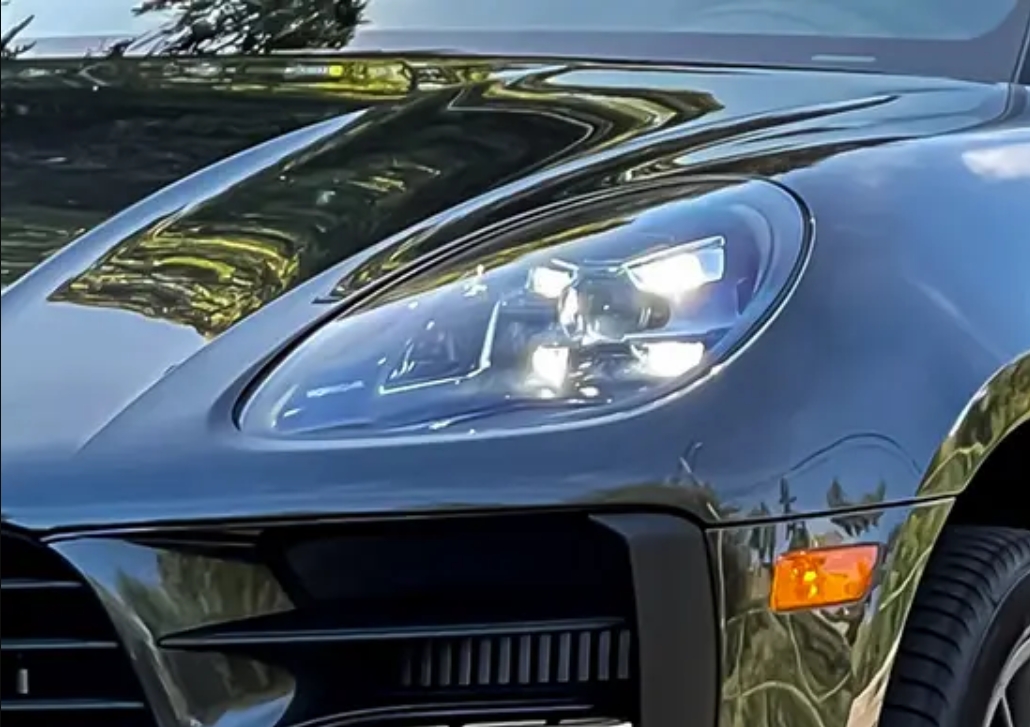
Clay cannot repair physical degradation of the polycarbonate lens.
Yellowed headlights
UV oxidation
Heavy haze
Deep scratches
Faded plastic
Pitted surface damage
These issues require:
Wet sanding
Polishing
Restoration kits
UV coating reapplication
Claying only cleans — it does not restore.
Clay bar is useful when headlights feel rough or look dirty due to bonded contamination.
Headlights feel gritty/rough
Before polishing or restoring headlights
Before applying ceramic or UV protection
After overspray or tar contamination
During full-detail decontamination
Headlights are yellow
Headlights appear foggy
Oxidation is visible
You are expecting “restoration” results
Clay is a prep step — not a restoration method.
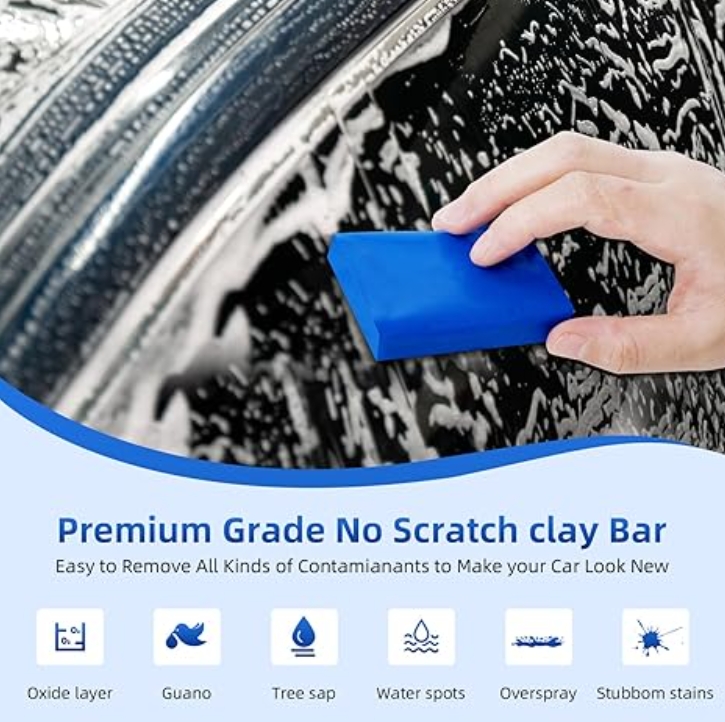
Wash the headlight thoroughly
Spray clay lubricant or detailer spray
Glide clay in straight lines
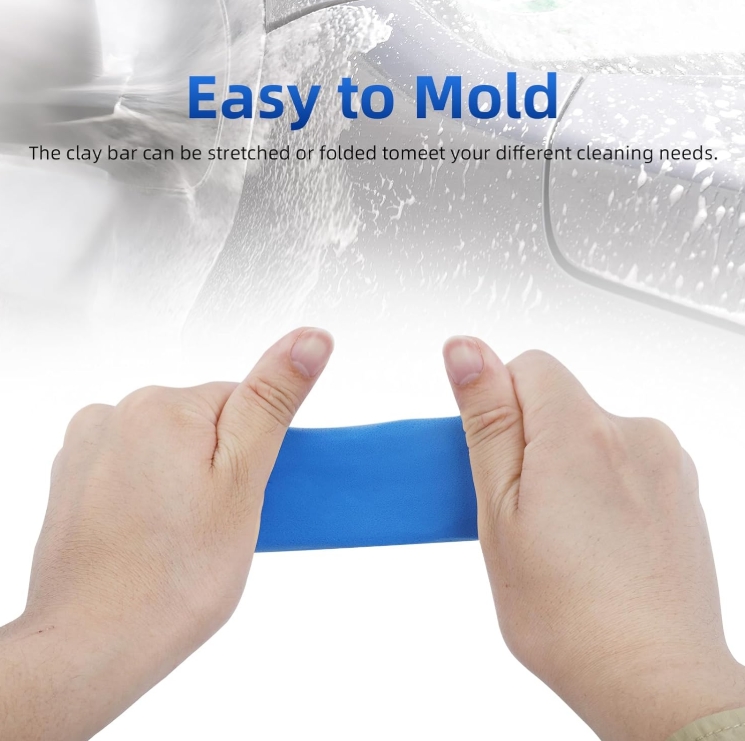
Fold clay frequently
Wipe the headlight clean
Inspect clarity and smoothness
Apply wax, sealant, or ceramic protection
Claying makes the surface clean so coatings can bond better.
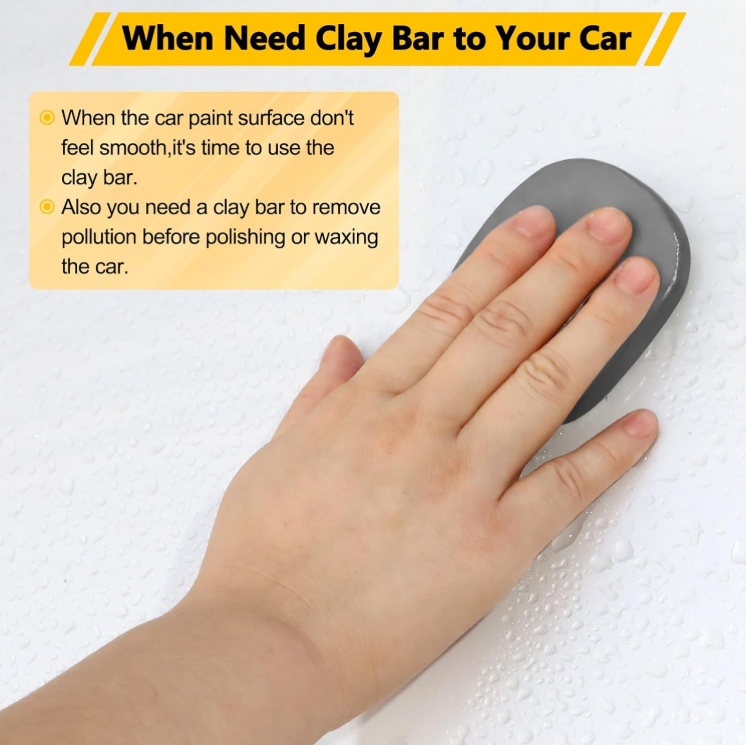
Yes — professionals always clay first.
Why:
Removes all surface contamination
Prevents grit from scratching during polishing
Makes sanding smoother
Helps coatings bond better afterward
Claying is the first step in a multi-step restoration process.
| Method | What It Fixes | Best Use |
|---|---|---|
| Clay Bar | Surface contamination only | Cleaning & prep |
| Polishing | Light oxidation & haze | Minor restoration |
| Wet Sanding | Severe oxidation & yellowing | Full restoration |
| Ceramic/UV Coating | Protection only | After restoration |
Clay alone = cleaning
Clay + polish = visible improvement
Full restoration = clay + sand + polish + UV coating
It can make them slightly clearer by removing surface contamination, but it cannot fix oxidation or yellowing.
Yes. Clay is safe for polycarbonate lenses as long as you use lubricant and light pressure.
No. Polishing restores clarity; claying only cleans.
Yes — claying improves bonding and ensures a cleaner surface.
Because cloudiness is caused by UV oxidation, which clay cannot fix. Polishing or sanding is required.
Clay bar does help, but only as a cleaning and decontamination step. It removes surface contaminants that washing cannot, making headlights smoother and slightly clearer. However, restoring clarity from oxidation or yellowing requires polishing or sanding — not clay.
For the best results, detailers use a clay bar as the first step before full headlight restoration or applying UV/ceramic protection.


