
- All
- Product Name
- Product Keyword
- Product Model
- Product Summary
- Product Description
- Multi Field Search
Languages
Views: 1876 Author: Site Editor Publish Time: 2025-12-06 Origin: Site


Content Menu
● Clay Bar Before Ceramic Coating: Why It’s Mandatory
● Summary
● What Is a Clay Bar and Why Is It Used Before Ceramic Coating?
● Why Clay Bar Before Ceramic Coating Is Mandatory
>> 1. Ensures Perfect Adhesion
>> 2. Improves Coating Durability
>> 3. Creates a Smooth, Even Surface
>> 4. Prevents Trapped Contaminants
● How to Clay Bar Before Ceramic Coating (Professional Steps)
● How Often Should You Clay Before Coating?
● Clay Bar vs Nano Sponge Before Ceramic Coating
● FAQ
>> Is claying absolutely required before ceramic coating?
>> Can I skip claying if I used iron remover?
>> Will clay bar damage my paint?
>> How long does claying take?
Using a clay bar before applying ceramic coating is not optional — it is critical. Clay removes bonded contaminants that washing cannot, ensuring maximum coating adhesion, durability, and gloss. Skipping this step can cause poor bonding, premature failure, and uneven coating appearance.
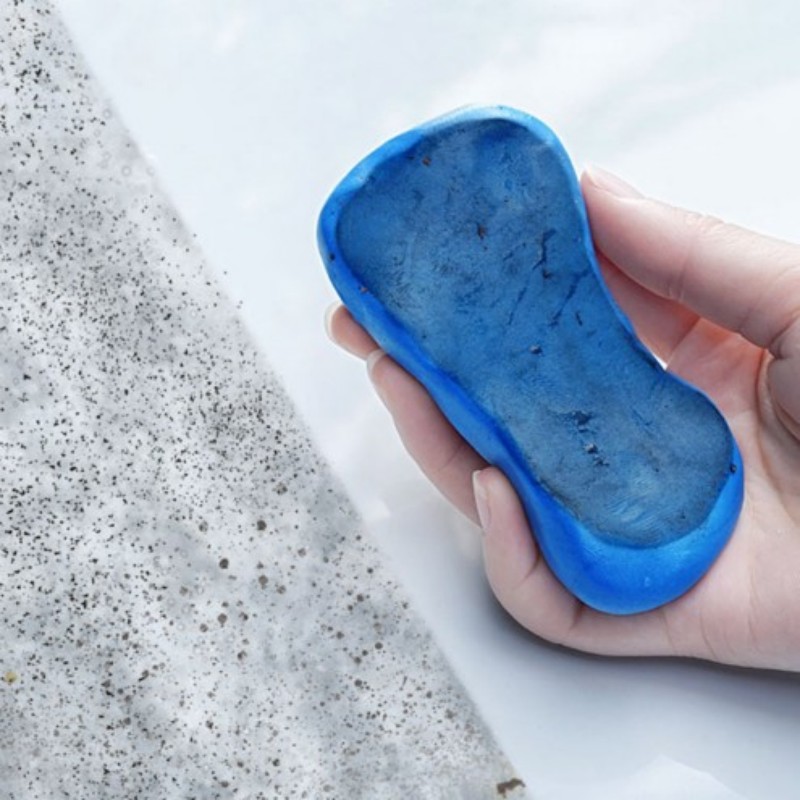
A clay bar is a mild abrasive detailing tool designed to remove bonded surface contamination such as:
Industrial fallout
Rail dust
Tree sap
Overspray
Embedded brake dust
Environmental pollution
These contaminants are chemically or mechanically bonded to the paint and cannot be removed through:
Washing
Decontamination shampoos
Iron removers
Tar removers
Only mechanical decontamination — using clay or nano-sponge — can fully clean the paint.
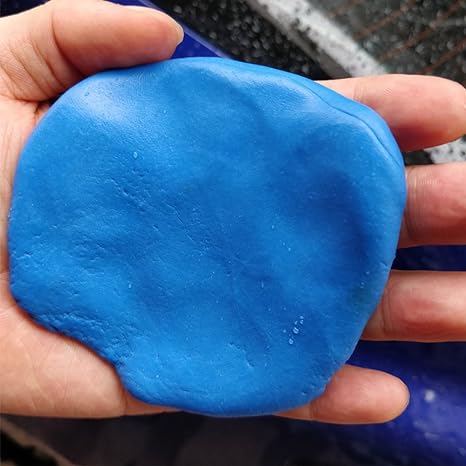
Below are the key reasons professional detailers always clay before coating:
Ceramic coatings require:
Clean surface
Bare paint
High surface energy
Clay removes contaminants that would otherwise sit between enamel and ceramic, causing:
Poor bonding
High chance of coating failure
Reduced hydrophobicity
A coating applied on contaminated paint can:
Peel
Wash off early
Lose gloss
Develop uneven “patchy” appearance
Claying significantly increases lifespan and performance.
After claying, paint becomes:
Smooth
Uniform
Free of bonded debris
This produces:
Better gloss
Better water behavior
Better optical clarity
If contaminants remain underneath ceramic coating, they get sealed forever, causing:
Visible bumps
Roughness
Reduced shine
Difficult future correction
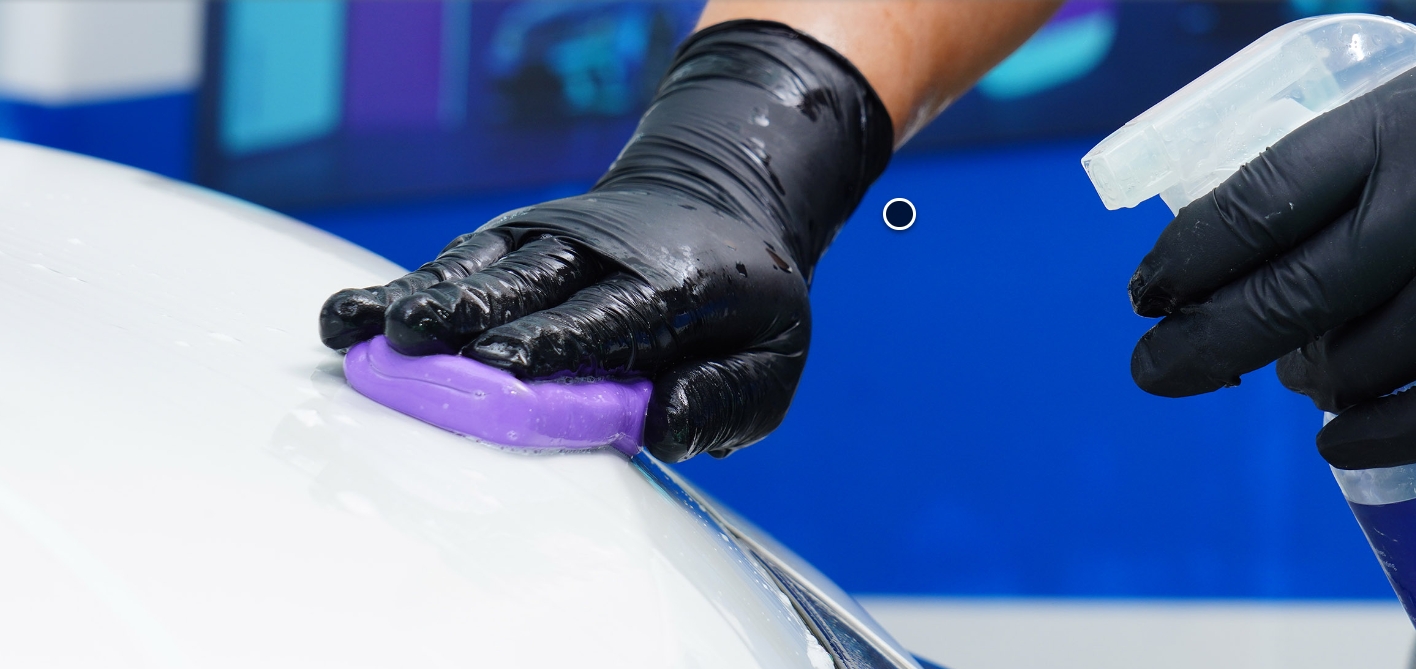
Wash and dry the vehicle
Spray detailing lubricant
Glide clay gently in straight motions
Fold clay regularly
Inspect paint (should feel perfectly smooth)
Wipe with IPA or panel wipe
Apply ceramic coating
Use clay when:
Before every ceramic coating
Before polishing
When paint feels rough
When contamination is visible
When performing corrective detailing
Never clay:
On freshly polished paint unless contamination is present
Too frequently (can cause micro marring)
| Feature | Clay Bar | Nano Sponge |
|---|---|---|
| Strength | High | Medium |
| Contamination removal | Excellent | Good |
| Safety | Medium | High |
| Best use | Heavy contamination | Light contamination |
Professional detailers still prefer traditional clay for maximum cleaning.
Using clay without lubricant → scratches
Pressing too hard → marring
Claying after ceramic → damage
Skipping IPA wipe → adhesion drops
Recycling dirty clay → causes scratches
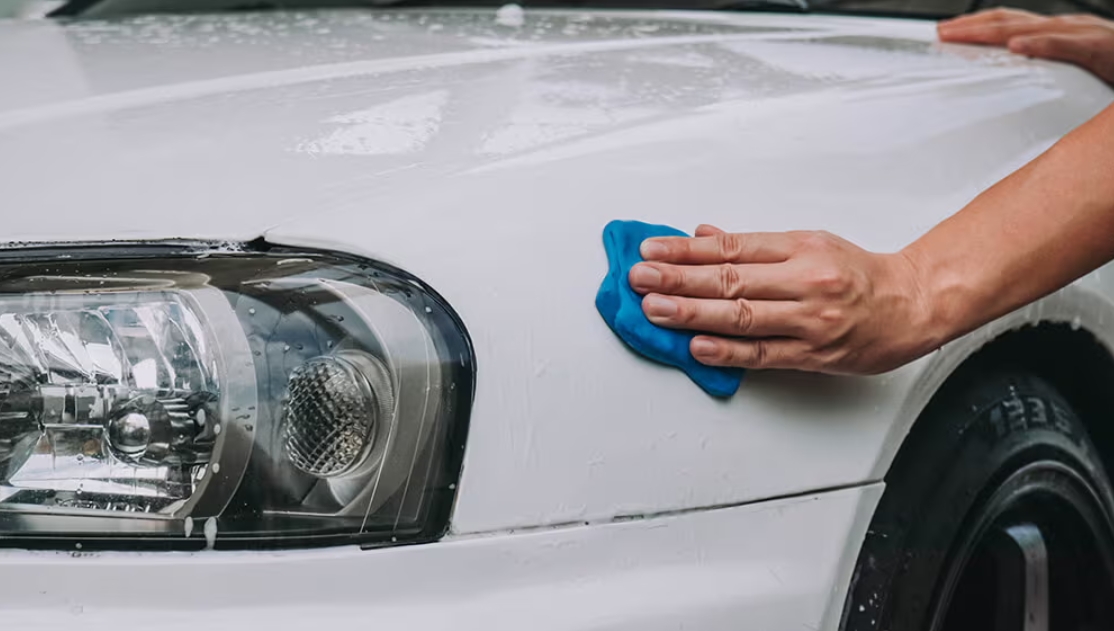
Yes. Without removing bonded contamination, ceramic coating cannot bond correctly.
No. Iron remover only removes ferrous contamination, not all bonded contaminants.
If used correctly with lubricant and light pressure, damage is extremely unlikely.
Typical full car: 30–60 minutes depending on contamination.
Proper surface preparation is the foundation of ceramic coating performance. Clay bar treatment removes the invisible contaminants that compromise adhesion and durability. By always including clay decontamination in your coating workflow, you ensure maximum gloss, longevity, and protection — delivering professional results every time.


