
- All
- Product Name
- Product Keyword
- Product Model
- Product Summary
- Product Description
- Multi Field Search
Languages
Views: 173 Author: Site Editor Publish Time: 2025-07-26 Origin: Site


Key Takeaway: Insect splatter from night highway driving creates stubborn residues that can damage your car's paint and create dangerous visibility issues if not cleaned promptly. Immediate washing with proper techniques prevents long-term damage and maintains driving safety.
Most drivers focus on visible road hazards, but few anticipate the damage caused by something as small as insects. During night highway driving, especially in summer months, your vehicle becomes a magnet for thousands of insects whose acidic remains can wreak havoc on your car's exterior.
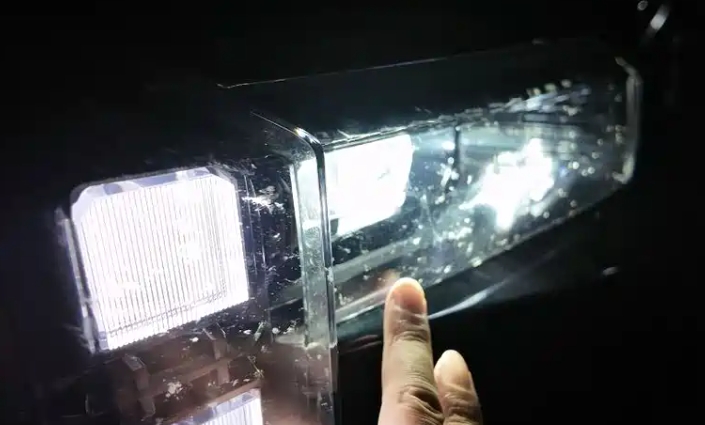
Several factors make night highway driving particularly problematic for insect accumulation:
Many insects are naturally attracted to headlights and other vehicle lighting
Cooler evening temperatures bring insects lower to ground level
Highway speeds increase the impact force that makes removal difficult
Humidity at night causes remains to adhere more stubbornly
What makes insect remains so difficult to remove after they dry? The answer lies in their biological composition:
Insect bodies contain natural proteins that harden when exposed to air and sunlight, creating a glue-like substance that bonds tightly to automotive surfaces.
Many insects have slightly acidic body fluids that can begin etching clear coat and glass if left untreated for extended periods.
The fatty tissues in insects leave behind oily deposits that spread across surfaces when wiped, creating problematic films.
The windshield suffers most dramatically from insect impacts. Each collision leaves behind microscopic residues that accumulate into an oily film. When windshield wipers spread this film, it creates:
Glare amplification from oncoming headlights
Rainbow-colored light diffraction
Reduced visibility in rainy conditions
Streaking that resists normal wiper fluid
Your car's paint finish faces multiple threats from dried insect remains:
Etching from acidic components
Microscratches from improper removal attempts
Staining on lighter colored paints
Clear coat breakdown over time
Modern plastic headlight lenses are particularly vulnerable to:
Yellowing from prolonged insect residue exposure
Light diffusion from pitted surfaces
Reduced illumination output
Effective removal requires more than a quick drive-through car wash. Follow these steps for complete elimination:
Use a dedicated bug remover or car wash solution to soften residues before they harden. Allow 3-5 minutes dwell time.
Automotive clay bars or clay towels are essential for:
Lifting embedded contaminants from paint
Removing microscopic residues
Preparing surfaces for protection
For oil film removal, use products containing:
Fine abrasives for glass
Degreasing agents
Anti-static properties
After cleaning, apply:
Ceramic coatings for paint
Glass sealants for windshields
Plastic protectants for headlights
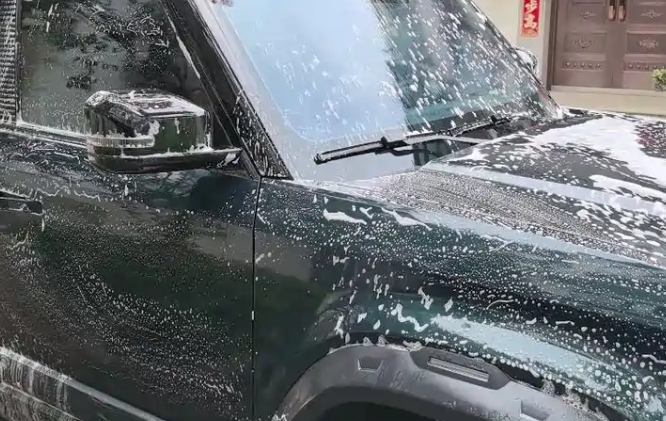
For those who regularly drive at night, consider these proactive measures:
Apply non-stick coatings before trips
Use sacrificial bug shields
Install protective films on vulnerable areas
Keep quick detailer and microfiber in trunk
Schedule regular professional cleanings
Invest in waterless wash products for travel
Beyond cosmetic concerns, unaddressed bug residues create genuine safety hazards:
Windshield films can reduce visibility by up to 30% in certain lighting conditions according to automotive safety studies.
Headlight performance diminishes significantly when lenses are coated with insect remains, reducing your ability to see and be seen.
In critical moments, even minor visibility reductions can mean the difference between avoidance and collision.
The temporary inconvenience of immediate cleaning pales in comparison to the long-term damage and safety risks posed by accumulated insect residues. By establishing a consistent post-highway cleaning routine, you'll preserve your vehicle's appearance, maintain optimal visibility, and ensure safer travels for all occupants. Remember - the clock starts ticking the moment those first bugs hit your windshield.
Pro Tip: Keep a bottle of quick detailer and microfiber towels in your trunk for emergency cleanups when you can't get to a full wash immediately after your highway drive.


