
- All
- Product Name
- Product Keyword
- Product Model
- Product Summary
- Product Description
- Multi Field Search
Languages
Views: 1543 Author: Site Editor Publish Time: 2025-12-02 Origin: Site


Content Menu
● The Complete Step-by-Step Guide to Using a Clay Bar on Your Car
● What is a Clay Bar and Why Do You Need One?
>> The BrilliaChem Factory Advantage: Precision in Your Hands
● Pre-Claying Preparation: The Essential First Steps
● How to Use a Clay Bar: Step-by-Step with Photos
>> Step 1: Prepare the Clay Bar and Lubricant
>> Step 2: Glide the Clay Bar Across the Surface
>> Step 3: Frequently Check and Knead the Clay
>> Step 4: Wipe Off the Residue and Inspect
>> Step 5: Follow Up with Protection
● BrilliaChem Clay Bar vs. Common Alternatives
>> Q: How often should I clay my car?
>> Q: Can I use the clay bar on glass, wheels, or headlights?
>> Q: What if I marr the paint while claying?
>> Q: Why choose BrilliaChem over store-brand clay?
If you've washed your car but still feel tiny bumps on the paint, you've encountered embedded contamination. A clay bar—also known as detailing clay or magic clay—is the essential tool that safely lifts this contamination, restoring a perfectly smooth, glass-like finish. This guide provides a complete, easy-to-follow process using professional techniques and highlights why the industrial-grade standards from the BrilliaChem factory make a significant difference in your results.
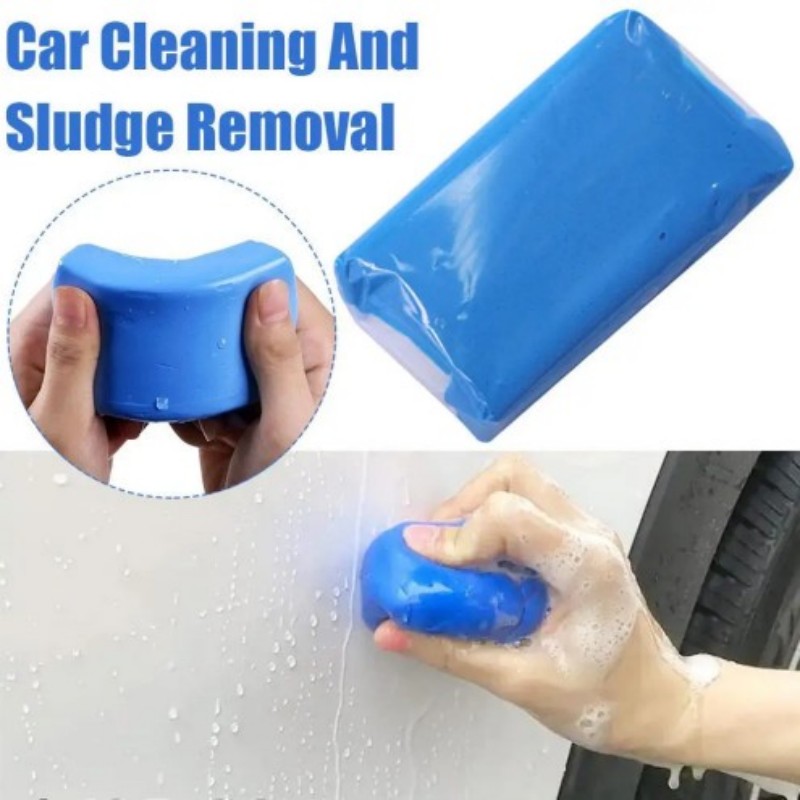
A clay bar is a pliable, putty-like bar made from a specialized synthetic compound. Unlike a polish or compound, it contains no abrasives. Its job is pure mechanical decontamination: it slides across the paint's surface, gripping and pulling out contaminants that are stuck in or on the clear coat.
Common contaminants it removes include:
Industrial Fallout & Brake Dust (Iron Particles): Often seen as tiny orange or brown specks.
Tree Sap Mist & Pollen
Overspray Paint
Rail Dust
Hard Water Spots
Road Tar Residue
Using a clay bar is a critical step before any polishing, waxing, or ceramic coating. Applying protection over a contaminated surface will seal in the dirt, reducing gloss and durability.

BrilliaChem is a renowned manufacturer with over three decades of expertise in formulating specialized industrial compounds for the energy sector. While known for high-performance drilling fluids, this mastery in material science and precision manufacturing is directly applied to their detailing product line.
At the BrilliaChem factory, the production of detailing clay utilizes the same rigorous standards:
Advanced Polymer Technology: Creating a clay that is exceptionally malleable, durable, and resistant to tearing.
Consistent, Ultra-Fine Texture: Every batch is engineered to have a uniform, non-abrasive consistency for safe use on all paints.
Quality Control Protocols: A legacy of supplying mission-critical industrial products ensures that every BrilliaChem Clay Bar meets exacting performance specifications.
This industrial pedigree means you are using a tool born from engineering rigor, not just a simple consumer good.
Proper preparation ensures the claying process is safe, effective, and scratch-free.
1. Gather Your Materials:
BrilliaChem High-Performance Detailing Clay
High-Quality Detail Spray or Clay Lubricant (Do NOT use plain water)
Two Clean, Soft Microfiber Wash Mitts
pH-Neutral Car Shampoo
Two Buckets with Grit Guards
Multiple Premium Plush Microfiber Towels
Car Wash Area with Shade
2. Perform a Full, Safe Two-Bucket Wash:
Thoroughly wash the entire vehicle using the two-bucket method to remove all loose dirt and grime. This prevents dragging grit under the clay bar and scratching the paint. Rinse completely and dry with a clean microfiber towel.
3. The "Baggy Test":
To confirm the need for claying, put your hand inside a clean, thin plastic sandwich bag and gently glide your fingertips over a clean, dry panel. With the plastic amplifying texture, you will clearly feel the gritty contaminants. A smooth surface means claying is not needed.
Always work on a cool surface in the shade. Never clay under direct sunlight.
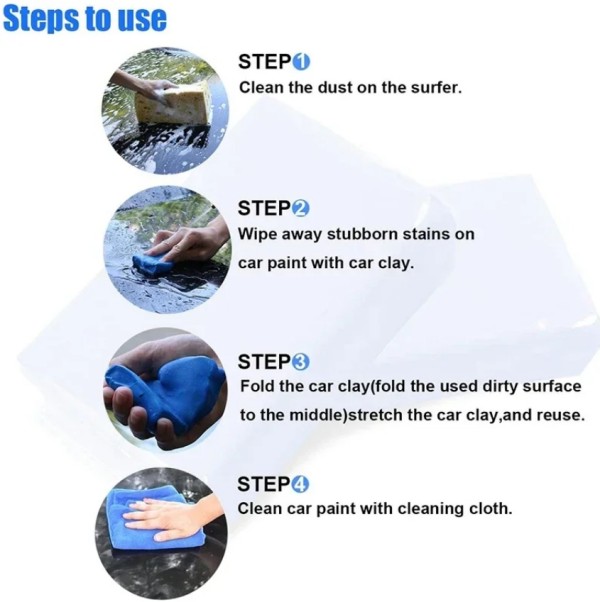
Knead your BrilliaChem clay bar until it's soft and pliable. Flatten it into a pancake shape that fits comfortably in your palm. Generously spray the lubricant onto a small section of the paint (about 2'x2' or 60cm x 60cm). Also, lightly mist the surface of the clay bar itself.
Using light to moderate pressure, glide the clay bar back and forth in straight lines. Do not use a circular motion. Let the clay do the work—you should feel a smooth, almost frictionless glide. If you feel it grabbing or dragging, immediately apply more lubricant.
Caption: Gently glide the BrilliaChem clay in straight-line passes with ample lubricant.
After a few passes, lift the clay and check its surface. You will see contaminants being pulled from the paint and embedded in the clay. To expose a clean surface, fold the clay in on itself, knead it thoroughly, and re-flatten it.
⚠️ Crucial Tip: The moment you drop the clay bar on the ground, discard it immediately. It will have picked up abrasive particles that can cause severe scratches.
After claying the section, use a clean, damp microfiber towel to wipe away any lubricant residue. Feel the surface with your bare hand—it should now feel perfectly smooth and glassy, with all grit removed.
Repeat the process (Section → Clay → Wipe) over the entire vehicle, working systematically from the top down. Use a fresh piece of clay for heavily contaminated lower panels if necessary.
Claying removes contaminants but also strips any existing wax or sealant. It is imperative to follow up by applying a paint sealant, ceramic coating, or wax immediately to protect the freshly cleaned surface.
| Feature | BrilliaChem Detailing Clay | Generic Clay Bar | Liquid Clay / Clay Mitts |
|---|---|---|---|
| Abrasiveness | Non-abrasive, ultra-fine | Can vary; some may be harsh | Can be slightly more abrasive |
| Durability | High - resistant to tearing | Low - can break apart easily | Reusable but wears out |
| Contamination Load Capacity | High - can be kneaded many times | Low - clogs quickly | Moderate - requires thorough rinsing |
| Ease of Use | Excellent, predictable feel | Inconsistent | Very fast, less control |
| Best For | Critical paint correction, show cars | Occasional use | Maintenance or very light contamination |
A: Only when needed, as indicated by the "baggy test." For most daily drivers, 1-2 times per year is sufficient. Over-claying is unnecessary.
A: Yes! It's excellent for removing water spots from glass and contamination from chrome, wheels, and plastic headlight lenses. Use a dedicated piece of clay for wheels to avoid transferring brake dust to your paint.
A: Some very fine marring (clay haze) can occur, even with proper technique. This is why claying is followed by polishing, which will remove any haze and reveal a flawless finish.
A: Consistency and safety. The BrilliaChem factory's quality control ensures a predictable, non-abrasive product every time. Inferior clay can have inconsistent texture or contain overly aggressive elements, increasing the risk of swirl marks.
Using a clay bar is not a complex art—it's a straightforward process that yields transformative results. By following these steps and choosing a premium product engineered with the precision of BrilliaChem, you elevate a simple maintenance task into an act of true paint preservation. The difference in smoothness and clarity is not just something you'll see; it's something you and anyone who sees your car will feel.


