
- All
- Product Name
- Product Keyword
- Product Model
- Product Summary
- Product Description
- Multi Field Search
Languages
Views: 1357 Author: Site Editor Publish Time: 2026-01-25 Origin: Site


Content Menu
● Does Clay Bar Damage Your Car’s Paint? Myths vs Facts | BrilliaChem Certified Manufacturer
● Introduction: Why This Question Matters
● 1. What Is a Clay Bar and How Does It Work?
● 2. Myth 1: Clay Bars Always Scratch Paint
>> Fact:
● 3. Myth 2: All Clay Bars Are the Same
>> Fact:
● 4. Myth 3: Clay Bars Are Unsafe for New Cars
>> Fact:
● 5. Why Raw Materials Determine Paint Safety
● 6. SGS Certification: Independent Safety Verification
● 7. ISO Certification: Process Control and Consistency
● 8. BSCI Certification: Ethical and Sustainable Production
● 9. Certified Factory vs Non-Certified Supplier
● 10. Proper Usage Prevents Paint Damage
● 11. OEM and Private Label Safety Solutions by BrilliaChem
● 12. Future Trends: Safer Clay Technology
● Frequently Asked Questions (FAQ)
>> Q1: Does clay bar damage clear coat?
>> Q2: Why do some people experience scratches?
>> Q3: Are certified clay bars safer?
>> Q4: Can clay bars be used on ceramic coatings?
>> Q5: How often should clay bars be used?
>> Q6: Does BrilliaChem offer OEM clay bars?
>> Q7: What makes BrilliaChem clay bars different?
One of the most common questions in car detailing is: Does clay bar damage your car’s paint?
Many car owners hesitate to use clay bars because they fear scratches, swirl marks, or permanent damage. These concerns often come from improper usage, low-quality products, or misunderstandings about how clay bars actually work.
In reality, when produced and used correctly, clay bars are one of the safest and most effective tools for removing bonded contaminants from automotive paint.
The key lies in two critical factors:
At BrilliaChem, a professional SGS, ISO, and BSCI certified clay bar manufacturer, quality begins with raw material selection and controlled production processes. This article separates myths from facts and explains why certified clay bars are safe for car paint when used properly.
A clay bar is a flexible polymer-based material designed to remove contaminants that washing alone cannot eliminate, such as:
Industrial fallout
Brake dust
Rail dust
Tree sap
Paint overspray
Clay bars work by:
Gliding over lubricated paint
Lifting bonded particles
Trapping them inside the clay matrix
The performance and safety of a clay bar depend heavily on:
Polymer elasticity
Mineral abrasive size
Lubrication compatibility
These properties are determined by raw materials and manufacturing precision.
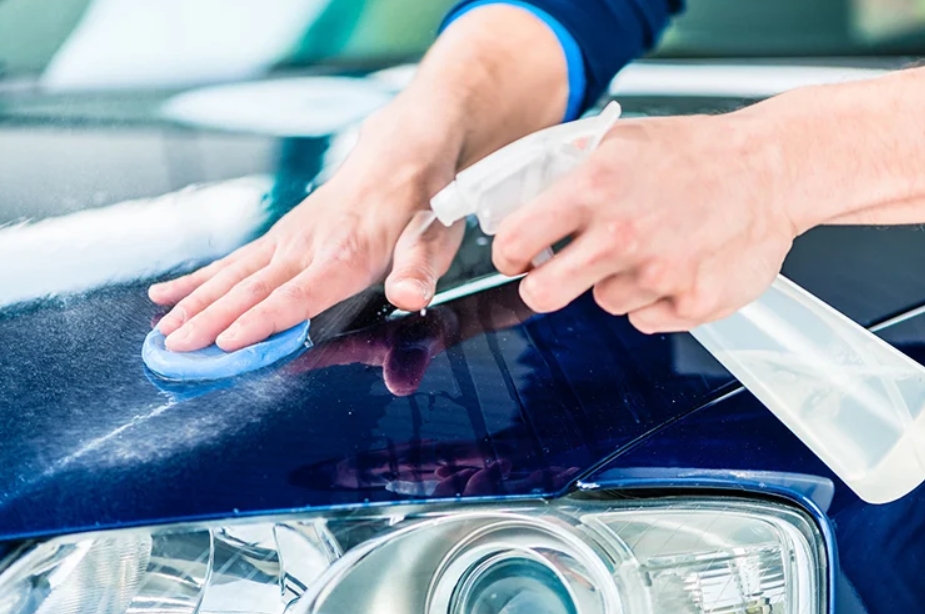
Clay bars do not scratch paint when:
High-quality raw materials are used
The clay grade matches the paint type
Proper lubrication is applied
Scratches occur mainly due to:
Cheap clay bars with uncontrolled abrasive particles
Dirty or dropped clay bars
Insufficient lubrication
Excessive pressure
Certified factories like BrilliaChem control abrasive particle size and polymer elasticity through strict raw material testing.
Clay bars differ significantly in:
Raw material composition
Abrasive mineral content
Elastic polymer structure
Manufacturing consistency
Professional clay bars are engineered in three main grades:
Fine grade
Medium grade
Heavy grade
Each grade is formulated for different paint conditions. Low-cost clay bars often lack consistent formulation and quality control.
Fine-grade clay bars are specifically designed for:
New cars
Soft clear coats
Ceramic-coated vehicles
Certified factories develop ultra-fine formulations with:
Low abrasive mineral content
High elasticity polymers
Smooth surface interaction
This allows safe decontamination without harming clear coat integrity.
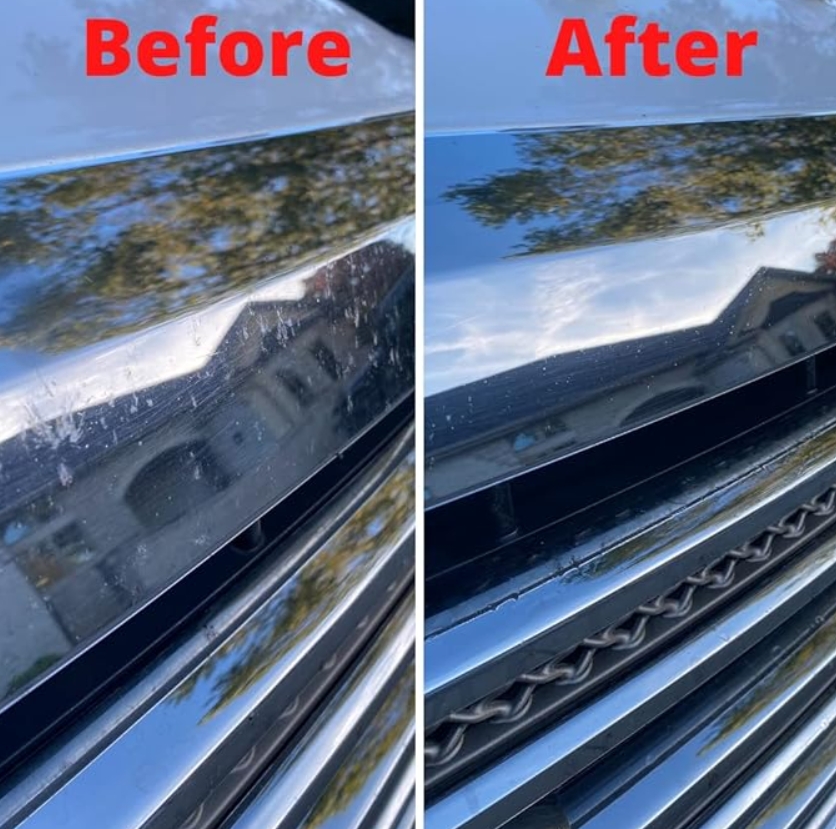
A clay bar contains:
Polymer base material
Micro mineral abrasives
Binding agents
Stabilizers
BrilliaChem ensures:
Qualified chemical suppliers
Incoming raw material inspection
Batch traceability
Safety data documentation (MSDS)
Poor raw materials can cause:
Excessive friction
Clay crumbling
Chemical instability
Increased risk of paint marring
Certified raw material control is the foundation of safe clay bar performance.
SGS certification confirms:
Raw materials meet safety standards
Product performance consistency
Chemical compliance with international regulations
For global car care brands, SGS certification reduces:
Product liability risks
Customs clearance issues
Distributor concerns
BrilliaChem products undergo SGS testing to ensure paint-safe performance.
ISO-certified factories implement:
Standardized production procedures
In-process quality control
Final inspection systems
Continuous improvement cycles
This guarantees:
Every clay bar batch matches approved specifications
Stable OEM supply
Low defect rates
Consistency is critical for professional detailing brands selling worldwide.
BSCI certification ensures:
Worker safety
Environmental responsibility
Ethical labor practices
Global brands benefit from:
ESG compliance
Brand reputation protection
Long-term supply chain stability
| Aspect | Certified Factory | Non-Certified Supplier |
|---|---|---|
| Raw Material Control | Strict | Random |
| Quality Testing | In-house lab | Minimal |
| Certifications | SGS, ISO, BSCI | None |
| Traceability | Complete | Limited |
| OEM Customization | Full | Restricted |
Even the best clay bar requires correct usage:
Use sufficient clay lubricant
Work in small sections
Apply light pressure
Inspect clay surface frequently
Discard contaminated clay
Professional training and product quality go hand in hand.
BrilliaChem provides:
Fine, medium, and heavy clay bars
Custom formulations for sensitive paints
OEM and private label services
Technical documentation
Regulatory compliance reports
Our products are supplied to:
Global car care brands
Professional detailing chains
Automotive distributors
The future of clay bar development focuses on:
Nano-grade abrasives
Eco-friendly polymers
AI-controlled quality inspection
Certified factories will lead innovation because of:
R&D capability
Transparent manufacturing
Global compliance systems
No, when using fine-grade clay bars with proper lubrication, clear coat is not damaged.
Scratches usually come from low-quality clay bars, lack of lubrication, or dirty clay.
Yes, SGS, ISO, and BSCI certifications ensure raw material safety and production consistency.
Yes, ultra-fine clay bars are safe for ceramic-coated vehicles.
Typically 2–3 times per year depending on contamination levels.
Yes, BrilliaChem offers full OEM and private label solutions.
Certified raw materials, strict quality control, and international certifications.
The belief that clay bars always damage car paint is a myth. The truth is that paint safety depends on raw material quality, clay formulation, and certified manufacturing processes.
BrilliaChem, as a SGS, ISO, and BSCI certified clay bar manufacturer, ensures that every clay bar is engineered for safety, consistency, and professional performance.
For global car care brands, choosing a certified factory is the most reliable way to deliver safe and effective clay bar products.
In modern car detailing, clay bars are not a risk—they are a precision tool when produced and used correctly.
Choosing the right clay bar begins with choosing the right manufacturer.


