
- All
- Product Name
- Product Keyword
- Product Model
- Product Summary
- Product Description
- Multi Field Search
Languages
Views: 1543 Author: Site Editor Publish Time: 2025-12-02 Origin: Site


Content Menu
● The Ultimate Guide to Scratch-Free Clay Bar Techniques for Perfect Paint
>> Introduction
● What is Paint Decontamination and Why Clay?
● Pre-Claying Preparation: The Foundation of Safety
>> Step 1: Perform a Thorough Two-Bucket Wash
>> Step 2: Assess the Paint with the "Bag Test"
>> Step 3: Gather the Right Tools & Lubricant
● Core Scratch-Free Clay Bar Techniques: A Step-by-Step Walkthrough
>> Step 1: Preparing the Clay and Work Area
>> Step 2: The Correct Gliding Motion & Pressure
>> Step 3: Frequent Inspection and Clay Maintenance
>> Step 4: Wiping and Section-by-Section Work
● Why BrilliaChem's Engineered Approach Minimizes Risk
● Post-Claying Imperatives: Sealing Your Perfect Surface
● FAQs: Your Scratch-Free Questions Answered
>> Q: Can I use a clay bar on glass or wheels?
>> Q: How often should I clay my car?
>> Q: What if I still see some fine scratches after claying?
>> Q: Are clay mitts or pads better than traditional bars?
You've washed your car, but the paint still feels gritty. A clay bar is the essential solution for removing bonded contaminants like industrial fallout, brake dust, and tree sap, revealing a perfectly smooth surface. However, the process can be intimidating. The fear of inflicting fine scratches, or "clay marring," is real. This guide, leveraging insights from professional-grade products like those from the BrilliaChem factory, will walk you through the safest, most effective techniques. By focusing on the correct methods, you'll not only decontaminate your paint but also preserve and enhance its flawless finish, ensuring your vehicle looks its absolute best.
Before diving into technique, it's crucial to understand the "why." Your car's clear coat is constantly bombarded by microscopic particles that become embedded on and just below the surface. Regular washing removes loose dirt but cannot extract these bonded contaminants.
The Role of a Clay Bar: Unlike abrasive polishes, detailing clay is a malleable, non-abrasive synthetic compound designed for mechanical decontamination. When lubricated and glided over the paint, it gently grips and lifts away the embedded particles, restoring a perfectly smooth, glass-like surface.
The Scratch Risk: Scratches occur when improper technique, insufficient lubrication, or contaminated clay forces these hard particles to drag across the clear coat instead of being lifted away. This guide is dedicated to preventing that.
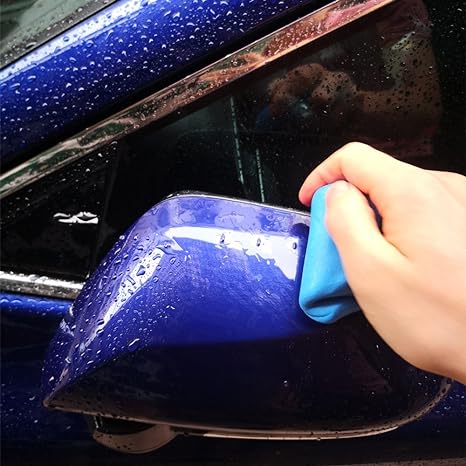
A flawless, scratch-free result is 90% preparation. Rushing this stage is the most common cause of damage.
Begin with a complete, grit-free wash using the two-bucket method (one for soapy water, one for rinsing your wash mitt). This removes all loose, abrasive dirt that could be dragged under the clay bar. Dry the vehicle completely with a clean, soft microfiber towel.
Slide your hand inside a thin, clean plastic sandwich bag and gently run your fingertips over the clean, dry paint. The plastic amplifies texture, allowing you to feel every speck of contamination. This confirms the need for claying and later verifies your success.
Having everything within reach prevents mistakes. You will need:
A high-quality clay bar or clay pad system.
Ample clay lubricant. This is non-negotiable. Use a dedicated detail spray or clay lube—never just soapy water. Proper lubrication allows the clay to glide and trap contaminants safely.
Multiple clean, premium microfiber towels.
A well-ventilated, shaded work area. Never clay in direct sunlight.
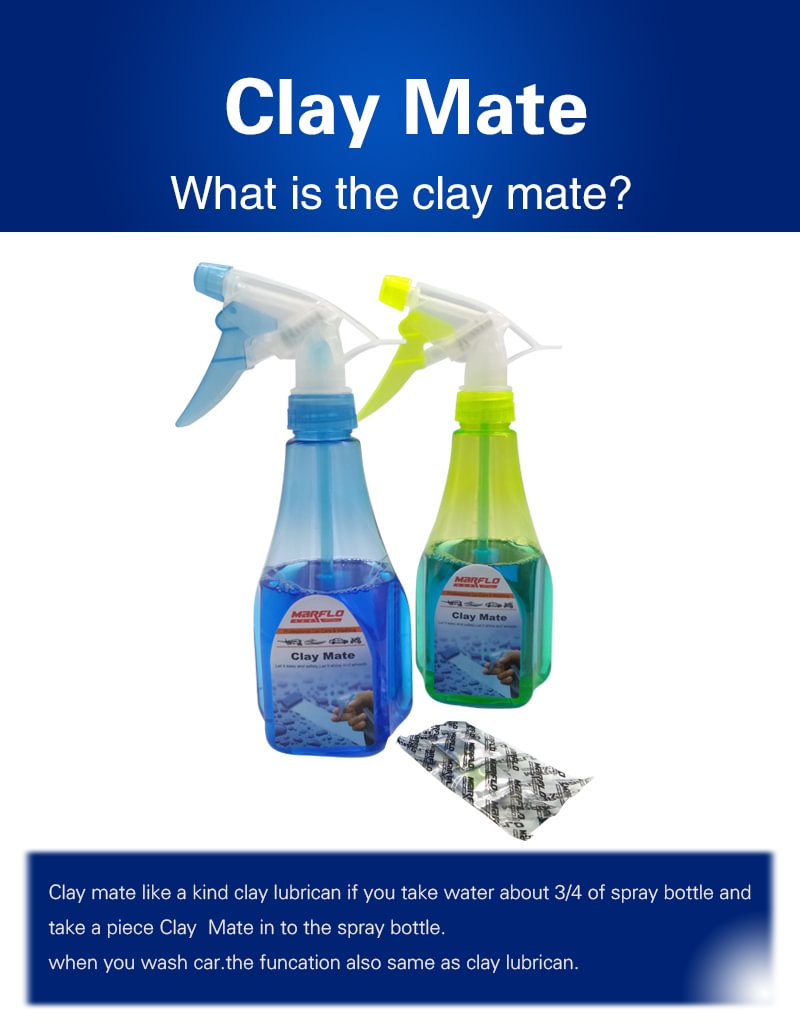
Follow this exact process to ensure a safe, effective decontamination.
Knead your clay bar until it's soft and pliable, then flatten it into a patty that fits comfortably in your palm. For clay pad systems like those from BrilliaChem, attach a fine-grade or medium-grade pad to the handle for standard decontamination. Generously spray lubricant onto a small section of the paint (about 2ft x 2ft). Also, mist the surface of the clay bar or pad lightly.
Using light to moderate pressure, glide the clay back and forth in straight, overlapping lines. Do not use circular motions. Let the lubricant and the clay do the work. You should feel a smooth, almost frictionless glide. If you feel significant dragging, immediately spray more lubricant.
After a few passes, lift the clay and examine its surface. You will see contaminants trapped in the material. To expose a fresh, clean surface:
For a traditional clay bar: Fold it into itself, knead thoroughly, and re-flatten.
For a BrilliaChem-style pad system: Simply rinse the pad with clean water or replace it with a fresh one if heavily loaded.
⚠️ Critical Safety Rule: The moment a traditional clay bar is dropped on the ground, discard it immediately. It will have picked up abrasive particles that will cause severe scratches. This is a key advantage of rinseable clay pad systems.
After claying the lubricated section, immediately wipe it clean with a fresh microfiber towel to remove any residue. Feel the surface with your bare hand—it should now feel perfectly smooth and slick. Repeat this process (spray, clay, wipe) systematically over the entire vehicle, working from the top down.
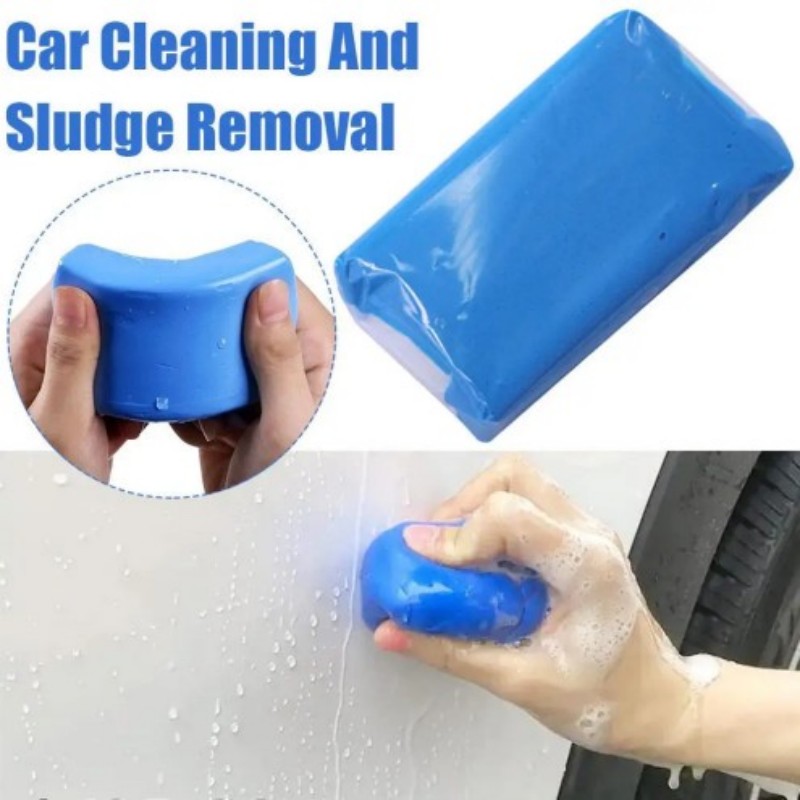
Choosing the right product is a fundamental safety technique. The BrilliaChem factory applies industrial-grade precision to detailing tools, offering distinct advantages for scratch avoidance:
Consistent, Controlled Aggressiveness: Unlike traditional clay bars that can vary, BrilliaChem's pad systems often come in specific grades (Fine, Medium, Coarse). For most maintenance decontamination, you select a Fine-grade pad, which is engineered to be effective yet exceptionally gentle on clear coats.
Reduced Contamination Risk: The design of a handle-based pad system drastically reduces the chance of dropping the clay media on the ground—a primary cause of catastrophic scratching.
Superior Material Science: Developed by a manufacturer with deep expertise in polymers, these products offer a consistent texture that effectively grabs contaminants without requiring excessive pressure that can lead to marring.
Claying removes all protective waxes and sealants. Leaving the paint bare after decontamination leaves it vulnerable to environmental damage. This final step is non-negotiable:
Inspect: Under good lighting, check for any fine marring (rare with perfect technique but possible on soft paint).
Protect: Immediately apply a high-quality paint sealant, ceramic coating, or carnauba wax. The perfectly clean surface will allow for maximum bonding and durability, locking in that flawless, glossy finish.
A: Yes! Clay is excellent for removing water spots from glass and brake dust from wheels. Always use a dedicated clay bar or pad for wheels to avoid transferring heavy metallic contaminants to your paint.
A: Only when the "bag test" indicates contamination. For most daily drivers, 1-2 times per year is sufficient. Over-claying is unnecessary.
A: Minor marring can occur, especially on softer paints. This is why decontamination is typically followed by polishing (paint correction) and then protection for a showroom finish.
A: Systems like BrilliaChem's offer advantages: they're easier for beginners, often rinseable, and reduce the risk of dropping. Traditional bars offer excellent feel and control for professionals. Both are effective when used correctly.
By adhering to these meticulous preparation steps, techniques, and product insights, you can harness the transformative power of paint claying with absolute confidence. Embrace the process as a vital step in premium car care, and enjoy the profound satisfaction of a truly glass-smooth finish.


