
- All
- Product Name
- Product Keyword
- Product Model
- Product Summary
- Product Description
- Multi Field Search
Languages
Views: 765 Author: Site Editor Publish Time: 2025-12-29 Origin: Site


Content Menu
● Clay Lubricants: Chemistry and Safety Explained for Professional Car Care
● The Chemistry Behind Clay Lubricants
>> 3. pH Balance and Surface Safety
>> 4. Additives for Stability & Performance
● Why Safety Matters in Clay Lubricants
● Brilliachem’s Approach to Clay Lubricant Safety
● Certifications That Guarantee Reliability
● Clay Lubricants vs Alternatives: Why Chemistry Matters
● OEM & Private Label Clay Lubricant Solutions
● FAQ – Clay Lubricants: Chemistry & Safety
>> Can clay lubricants damage car paint?
>> Is pH-neutral important for clay lubricants?
>> Can I use car shampoo instead of clay lubricant?
>> Are Brilliachem clay lubricants safe for ceramic coatings?
>> Does Brilliachem support OEM clay lubricant development?
● Why Global Brands Choose Brilliachem
● Summary
Clay lubricants are specially formulated car care chemicals designed to reduce friction between the clay bar and vehicle paint during decontamination. They rely on balanced surfactants, lubricating polymers, and controlled pH to ensure effective contaminant removal without scratching. Brilliachem, an SGS, ISO, and BSCI certified car care chemical manufacturer, develops clay lubricants that prioritize both chemical performance and surface safety for global car wash brands and detailing professionals.
A clay lubricant is a specialized automotive chemical used during the clay bar process to:
Minimize friction between clay and paint
Prevent surface marring or scratches
Allow contaminants to be safely lifted and trapped in the clay
Unlike plain water or generic cleaners, professional clay lubricants are chemically engineered to provide controlled slip, surface compatibility, and residue-free performance.
At Brilliachem, clay lubricants are treated as precision car care chemicals, not simple sprays.
Clay lubricants rely on mild, non-aggressive surfactants that:
Reduce surface tension
Help loosen bonded contaminants
Maintain paint-safe interaction
Brilliachem avoids harsh detergents that could degrade clear coats or coatings.
Advanced clay lubricants contain water-soluble polymers that:
Create a temporary lubricating film
Reduce friction coefficient
Enhance clay glide consistency
This polymer layer is critical for scratch prevention during mechanical decontamination.
Most professional clay lubricants are:
pH-neutral or near-neutral
Safe for clear coat, PPF, vinyl, and ceramic coatings
Brilliachem Formulation Standard:
Every clay lubricant formula undergoes strict pH control and surface compatibility testing under SGS protocols.
Depending on application, clay lubricants may include:
Anti-static agents
Water softening components
Anti-residue additives
Light gloss enhancers
These additives improve usability without compromising safety.
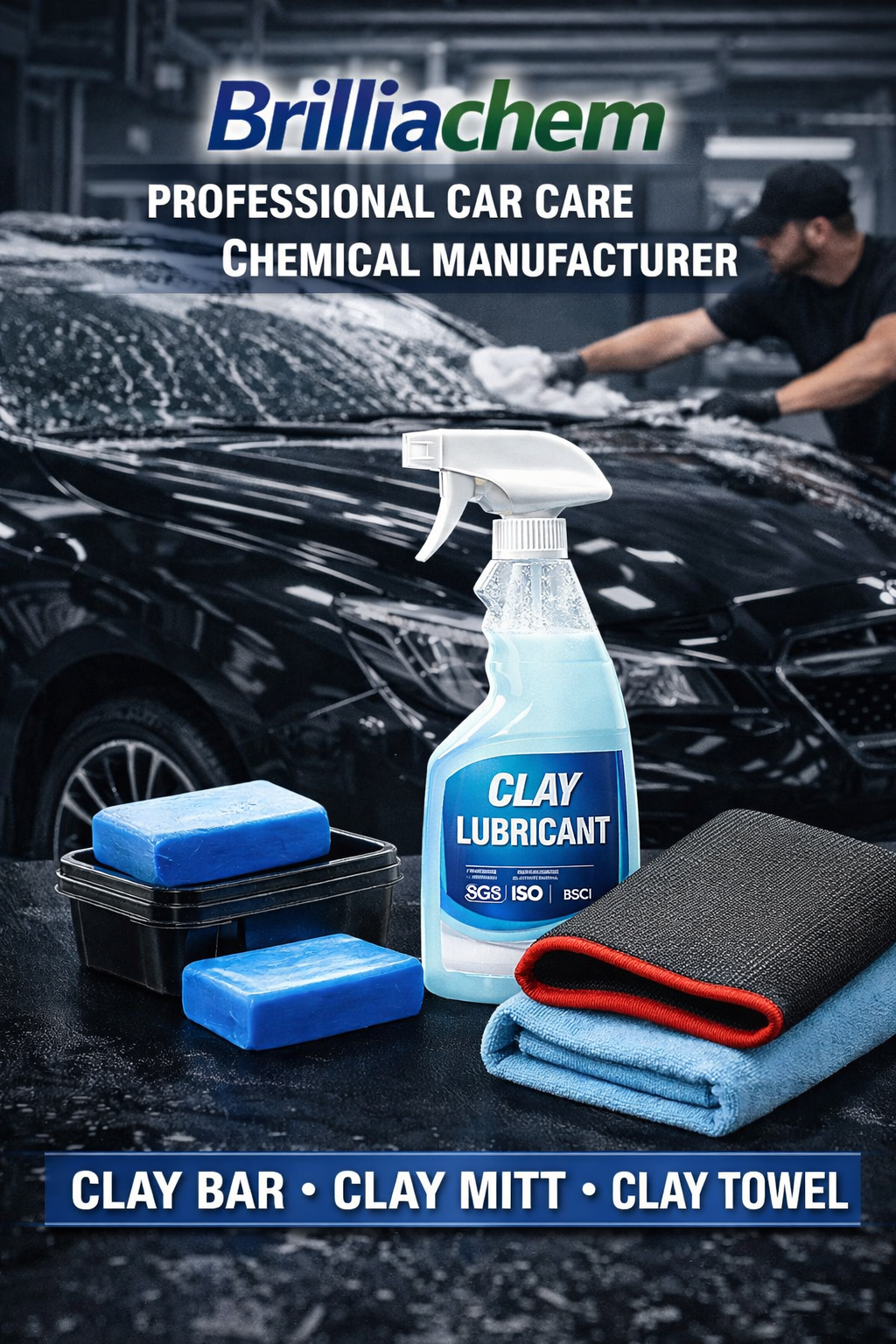
Clay treatment involves direct mechanical contact with paint. Improper lubrication can cause:
Micro-marring
Haze
Clear coat damage
Coating degradation
A professionally formulated clay lubricant reduces these risks by ensuring:
Consistent lubrication film
Even clay movement
Controlled chemical interaction
This is why chemical formulation quality matters more than brand claims.
As a professional car care chemical manufacturer, Brilliachem follows strict safety standards:
Raw material screening
Batch-to-batch consistency testing
Paint & coating compatibility evaluation
Temperature and storage stability testing
SGS third-party verification
Brilliachem is certified by:
SGS – Product safety & chemical compliance
ISO – Quality management systems
BSCI – Ethical manufacturing & social responsibility
These certifications ensure that Brilliachem clay lubricants meet global OEM and aftermarket standards.
| Lubricant Type | Safety Level | Performance |
|---|---|---|
| Plain water | Low | Inconsistent |
| Car shampoo dilution | Medium | Variable |
| Quick detailer | Medium–High | Not optimized |
| Professional clay lubricant | High | Optimized |
Brilliachem designs clay lubricants specifically for decontamination, not as multipurpose compromises.
Brilliachem offers:
Ready-to-use clay lubricant sprays
Concentrated clay lube formulas
OEM & private label customization
Foam-compatible or low-residue versions
Customization options include:
Lubrication strength
pH range
Fragrance & color
Climate-specific performance
No, when properly formulated. Brilliachem clay lubricants are designed to protect paint during mechanical decontamination.
Yes. pH-neutral formulas minimize chemical stress on clear coat and coatings.
It is not recommended. Shampoo lacks the specialized lubricating polymers needed for safe claying.
Yes. Our formulas are tested for compatibility with modern coatings.
Yes. We provide full OEM formulation, testing, and export support.
Focused on car care chemical products
SGS / ISO / BSCI certified factory
Professional clay system development
OEM & private label expertise
Stable, safety-first formulations
Brilliachem is not just a supplier — we are a chemical partner for professional car detailing brands worldwide.
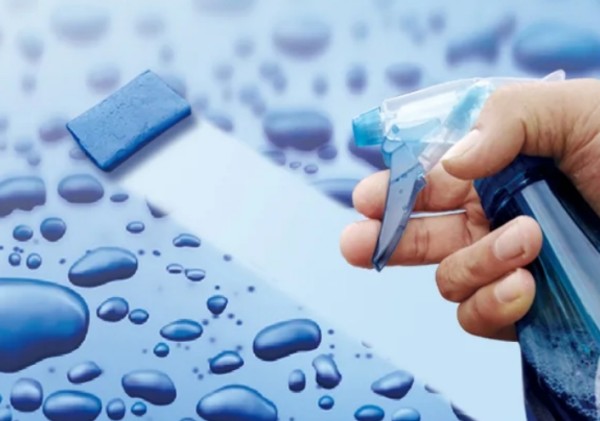
Clay lubricants are essential car care chemicals that reduce friction and protect vehicle surfaces during clay bar decontamination. Their effectiveness depends on surfactant balance, lubricating polymers, and controlled pH. Brilliachem, an SGS, ISO, and BSCI certified car care chemical manufacturer, formulates clay lubricants that deliver professional performance while ensuring maximum surface safety for global OEM and detailing clients.


