- All
- Product Name
- Product Keyword
- Product Model
- Product Summary
- Product Description
- Multi Field Search
Languages
Views: 1421 Author: Site Editor Publish Time: 2025-12-06 Origin: Site


Content Menu
● Clay Bar Before Waxing: Does It Make Wax Last Longer?
● Does Clay Bar Make Wax Last Longer? (Short Answer: Yes)
● Why You Should Clay Before Waxing
>> 1. Wax Bonds Better to Clean Paint
>> 3. Restores Smooth Paint Surface
>> 4. Prevents Wax Sitting on Contamination
● How to Clay Bar Before Waxing (Professional Method)
● Clay Bar vs No Clay Bar Before Waxing
● How Often Should You Clay Before Waxing?
● Signs Your Car Needs Claying Before Waxing
● FAQ
>> Does clay bar improve wax bonding?
>> Does clay bar make wax last longer?
>> Can I wax a car without claying?
>> Should you polish after claying and before waxing?
>> Can clay bar scratch paint?
Claying a car before waxing does make wax last longer. Clay removes bonded contaminants that block wax from bonding properly. When paint is clean, smooth, and contaminant-free, wax adheres better, looks glossier, and provides longer-lasting protection.
Yes — using a clay bar before waxing significantly increases wax longevity and performance.
Why it works:
Wax can only bond to bare, clean paint
Contaminants block adhesion
A smooth surface allows wax to spread evenly
Wax applied on clayed paint forms a stronger protective layer
Result:
⭐ Longer-lasting shine
⭐ Better water beading
⭐ Stronger protection
⭐ More even finish
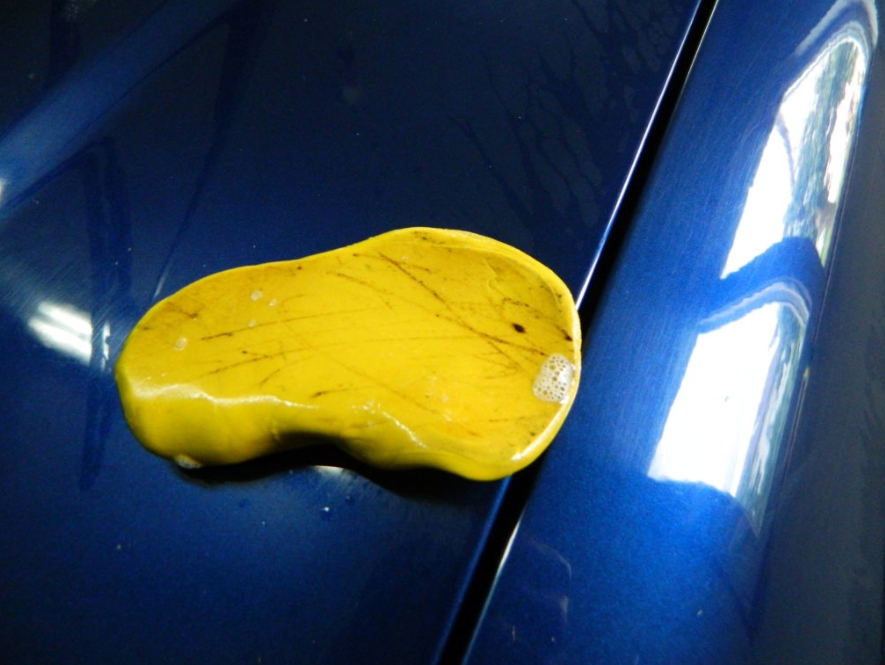
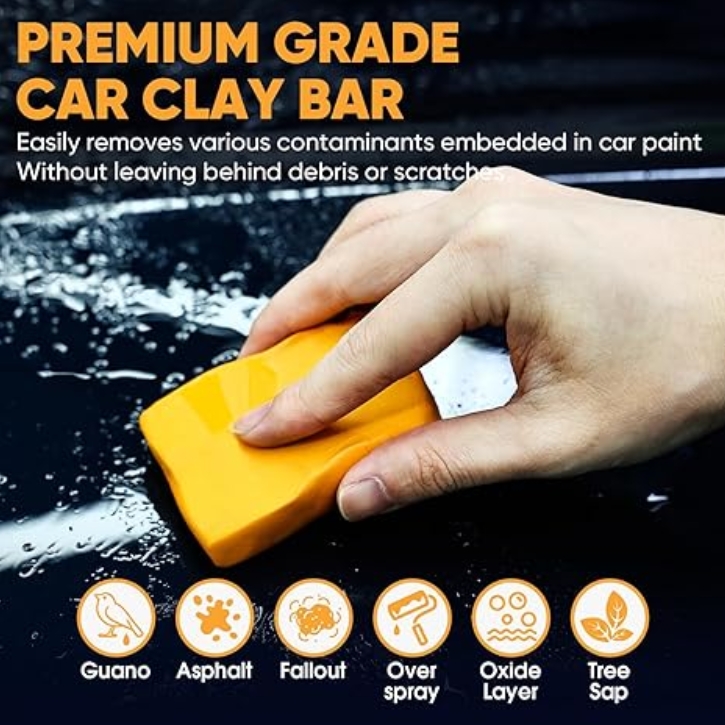
Claying removes:
Industrial fallout
Rail dust
Tar & sap
Pollution
Overspray
Embedded brake dust
Washing alone cannot remove these bonded contaminants.
Contamination weakens the bond between paint and wax.
Claying ensures:
Stronger adhesion
Slower breakdown
Longer-lasting beading
Typically:
Wax longevity improves by 30–50% when paint is clayed first.
Claying leaves paint feeling glass-smooth.
A smoother surface helps:
Wax spread more evenly
Wax cure uniformly
Gloss appear deeper
Wax applied directly over contaminants:
Fails early
Beads poorly
Looks patchy
Wears off after a few washes
Claying prevents this common problem.
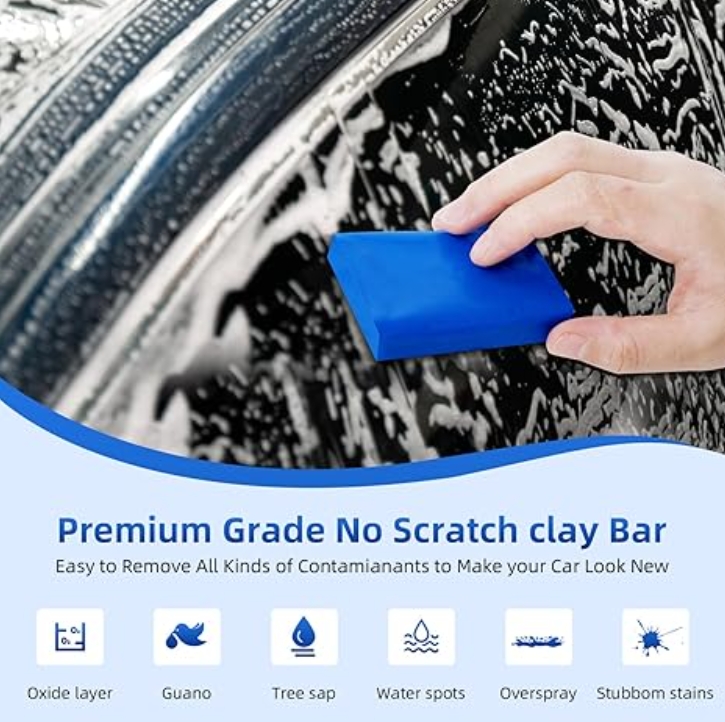
Wash and dry the car thoroughly
Spray clay lubricant (or detailer spray)
Glide clay in straight lines
Fold the clay frequently
Continue until paint feels smooth
Wipe off residue
Apply wax immediately
This creates the ideal bonding surface.
| Step | No Clay Bar | With Clay Bar |
|---|---|---|
| Gloss | Normal | High-Gloss, Deep Reflection |
| Wax durability | 2–4 weeks | 6–12 weeks (depending on wax) |
| Smoothness | Slightly rough | Glass-smooth |
| Water beading | Moderate | Strong, long-lasting |
| Contamination | Still present | Fully removed |
Result:
Wax lasts longer, looks better, and protects more effectively.
Recommended:
✔ Every 3–6 months
✔ Whenever paint feels rough
✔ Before major detailing jobs
✔ Before winter or long-term protection
Do NOT clay too often — unnecessary claying can cause micro-marring on soft paints.
Paint feels rough when you run your hand over it
Water no longer beads properly
Wax wears off too fast
Visible fallout/dots on paint
Surface looks dull even after washing
If any of these apply, claying is necessary.
Yes. Clay removes contaminants so wax can bond directly to the paint.
Yes — claying improves adhesion and extends wax durability by 30–50%.
Yes, but wax will not last long and finish quality will be lower.
Only if paint has swirls or oxidation. Clay alone does not correct defects.
Only if used without lubricant or using dirty clay. Proper technique is safe.
Clay bar treatment is one of the simplest ways to dramatically improve wax longevity. By removing embedded contamination and creating a smooth surface, claying helps wax bond stronger, shine brighter, and last significantly longer.
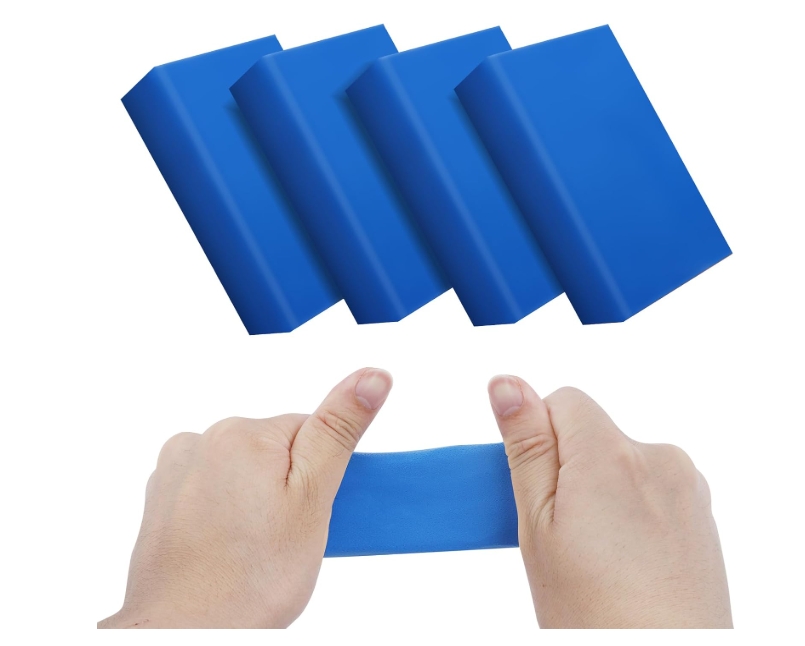
Whether you use natural clay or a synthetic clay bar from Brilliachem, the results are always the same — deeper gloss, longer protection, and a truly clean surface.